Master the craft of teaching aerial.
A comprehensive aerial teacher training in technique, mechanics, progressions, spotting, cueing, anatomy, safety, learning science, and classroom leadership. Built to help you understand not just what to teach, but why it works.
Start BLOOMDo you love aerial?
Do you love helping someone reach that “aha” moment?
Do you want every student to have a fair chance at a fulfilling aerial journey?
This is what BLOOM is all about.
A complete aerial teacher training in the technique of aerial and the science of teaching it.
Across aerial silks, hammock, and hoop, you’ll study foundational skill mechanics, movement analysis, progressions, cueing, spotting, anatomy, and safety. You’ll then integrate them with motor learning, nervous system science, psychology, ethics, and classroom leadership. This is not professional development layered onto your technical training. This is the technical training, the teaching training, and the mentorship together.
Choose a Payment Plan →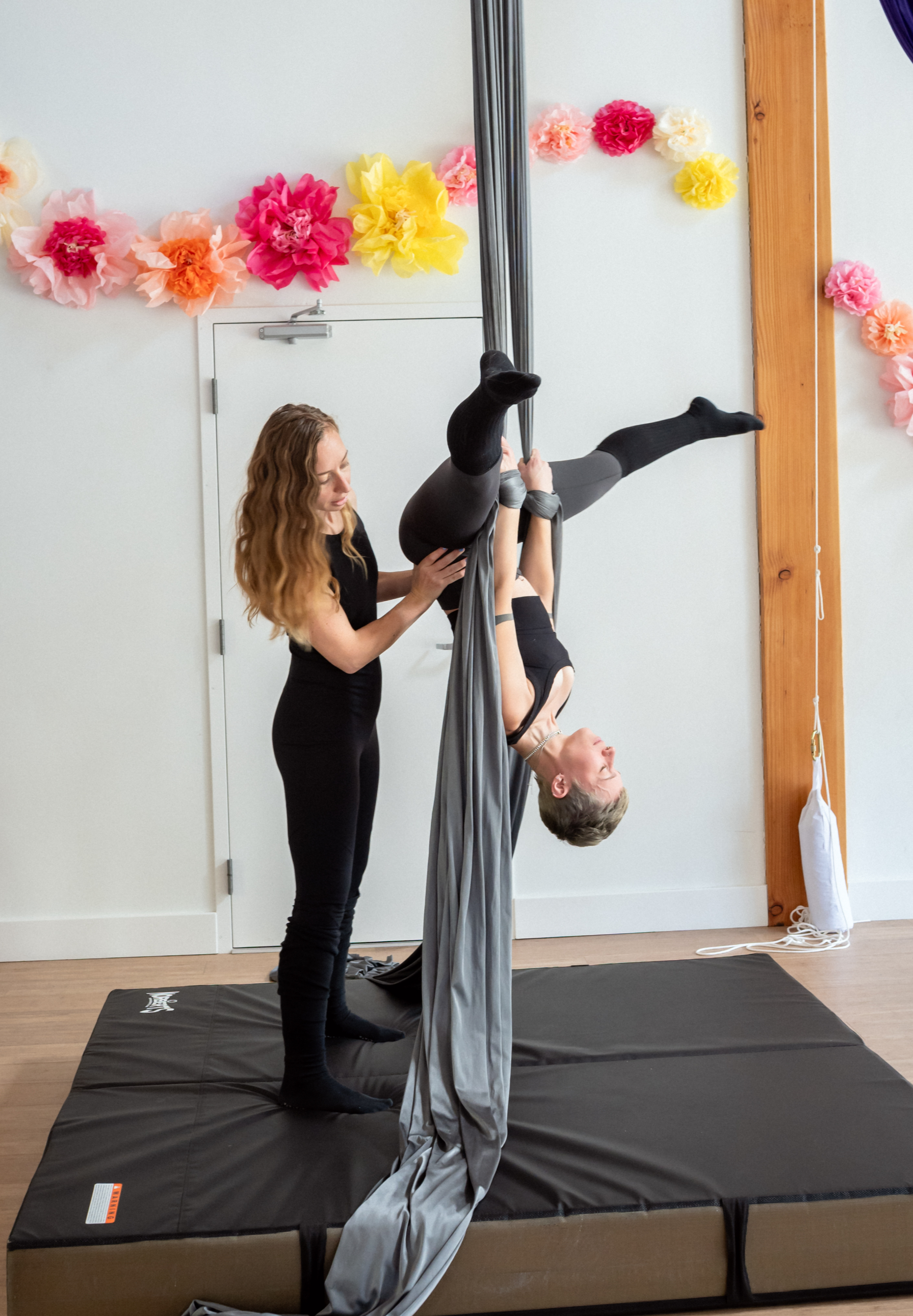
I built an entire aerial community from scratch. Teaching it well became a craft of its own.
I built Bishop, California’s first aerial community and opened SILK Studio. Creating a place for people to discover aerial was one part of the work. Learning how to support the different students who walked through the door was another.
When I first started teaching aerial, I had strong foundations in anatomy, coaching, and movement. I got great reviews. We had fun in class. I was good at it.
And still, things happened that I did not know how to interpret.
Students did not always sign back up and I wasn't sure why. I didn't always know how to respond when students pushed boundaries. I could see that something was happening in a student's body, but I did not always know exactly what it was or how to address it.
Then one day, my entire class came up to me and told me it was too hard.
I had been trying to make the skills exciting enough. I thought I was giving them what they wanted. I had completely missed what they needed because there were more layers to learning than I was consciously thinking about.
I stopped approaching aerial instruction intuitively and got serious about understanding the learner experience, isolating technical nuance, and developing expertise in every layer of teaching.
It stopped feeling like something I was good at but unsure about and became something I felt deeply grounded inside of.
Before, I wondered what I was missing and whether I was good enough. Today, I'm still learning and evolving, but I can confidently say:
I am ready to support each student
and give them an outstanding experience of aerial.
I no longer worry that teaching strong foundations or slowing things down will make students lose interest. I know how to teach the technical side of aerial in a way that keeps students engaged, challenged, and excited to keep learning.
I don't know everything, I still make mistakes, and I'll never stop learning and evolving my methods, but I know I am prepared to curate a safe, inclusive, inspiring aerial class built on well-developed pedagogy.
That is what I want for you when you enroll in BLOOM.
Not just more information and ideas for cues and spots. The critical thinking, scientific frameworks, and leadership skills to teach at a high level and truly feel at home in the role.
You show up confident.
You step into your zone of genius as you lead the class.
You walk out uplifted alongside your students.
Consistently.
You get to reap the joys of teaching without the self-doubt, struggles, and fears that can so easily arise in something as complex and high-risk as aerial.
It feels natural, because you have developed expertise in every layer of aerial instruction.
Payment Options →Build technical intelligence across apparatuses.
BLOOM includes technical training in aerial silks, aerial hammock, and aerial hoop, not as three disconnected skill lists, but as a way to understand the mechanics and principles that travel with you from one apparatus to another.
Sara’s technical teaching is built around unusually close observation. You’ll learn to see the small details that change a skill: where force is going, how the body is organizing, what compensation is appearing, where a pathway is breaking down, and which cue or progression is most likely to change it. The goal is not simply to know more skills. It is to develop the eye of a teacher who can look at movement and understand what is happening.
You’ll develop a strong foundation in each apparatus while learning to recognize shared movement patterns, body organization, progressions, and teaching principles. Aerial hammock is also used as an accessible pathway into many of the concepts and movement families that appear in aerial silks.
The finer details of mechanics
Foundational technique, wraps and pathways, body organization, movement analysis, progressions, cueing, spotting, and troubleshooting.
A bridge into silks
Explore foundational aerial concepts with more support from the apparatus, while building movement understanding that transfers directly into silks.
Translate the principles
Apply the same depth of thinking to a hard apparatus: foundational positions, transitions, mechanics, progressions, cueing, spotting, and movement analysis.
Learn the principles underneath the apparatus.
BLOOM trains you to recognize what transfers: how bodies organize in the air, how force and support change, how skills can be broken into progressions, and how to troubleshoot movement rather than relying on a memorized library of cues.
You’ll work across all three apparatuses during the program, while your final certification submissions can place greater emphasis on the apparatus you teach most. Your pathway can reflect your focus without narrowing the education you receive.
A training built for depth & expertise.
Teaching aerial is a technical craft. You need to understand the apparatus, skill mechanics, progressions, spotting, cueing, anatomy, and risk, and you need to know how to translate all of that to the human being in front of you. BLOOM trains both. Great teaching doesn’t happen by accident.
The Gaps that Create Blind Spots
- Skill & cue memorization without a deeper teaching framework
- Teaching guidance with limited or no emphasis on learning theory, cueing theory, nervous system regulation, ethics, or troubleshooting for diverse bodies
- Anatomy basics without clear applications
- Limited mentorship or individualized feedback
- What to teach and say without understanding the hidden factors that determine whether students progress, fall behind, compensate, or quit.
The BLOOM Method
- Build deep technical command of foundational silks, hammock, and hoop through mechanics, movement analysis, progressions, cueing, and spotting
- 4 months of close mentorship with weekly coaching and personalized feedback
- Learn to see beyond movement, understanding the biomechanics, motor learning, nervous system, body awareness training, and human factors shaping every student's experience
- Build precise, adaptable cueing that uses motor learning theory and responds to different bodies, movement histories, processing styles, and levels of body awareness
- Turn knowledge of biomechanics, anatomy, pain science, and nervous system regulation into practical teaching instincts
- Become the instructor who can confidently diagnose, troubleshoot, and lead any student, not because you've memorized more progressions, but because you understand how movement and learning actually work
Bloom takes your development as an instructor seriously and addresses it one layer at a time. It is not a generic $500 course, and the results are exactly why.
6 Modules: from apparatus mechanics to classroom mastery
Teaching Aerial Arts
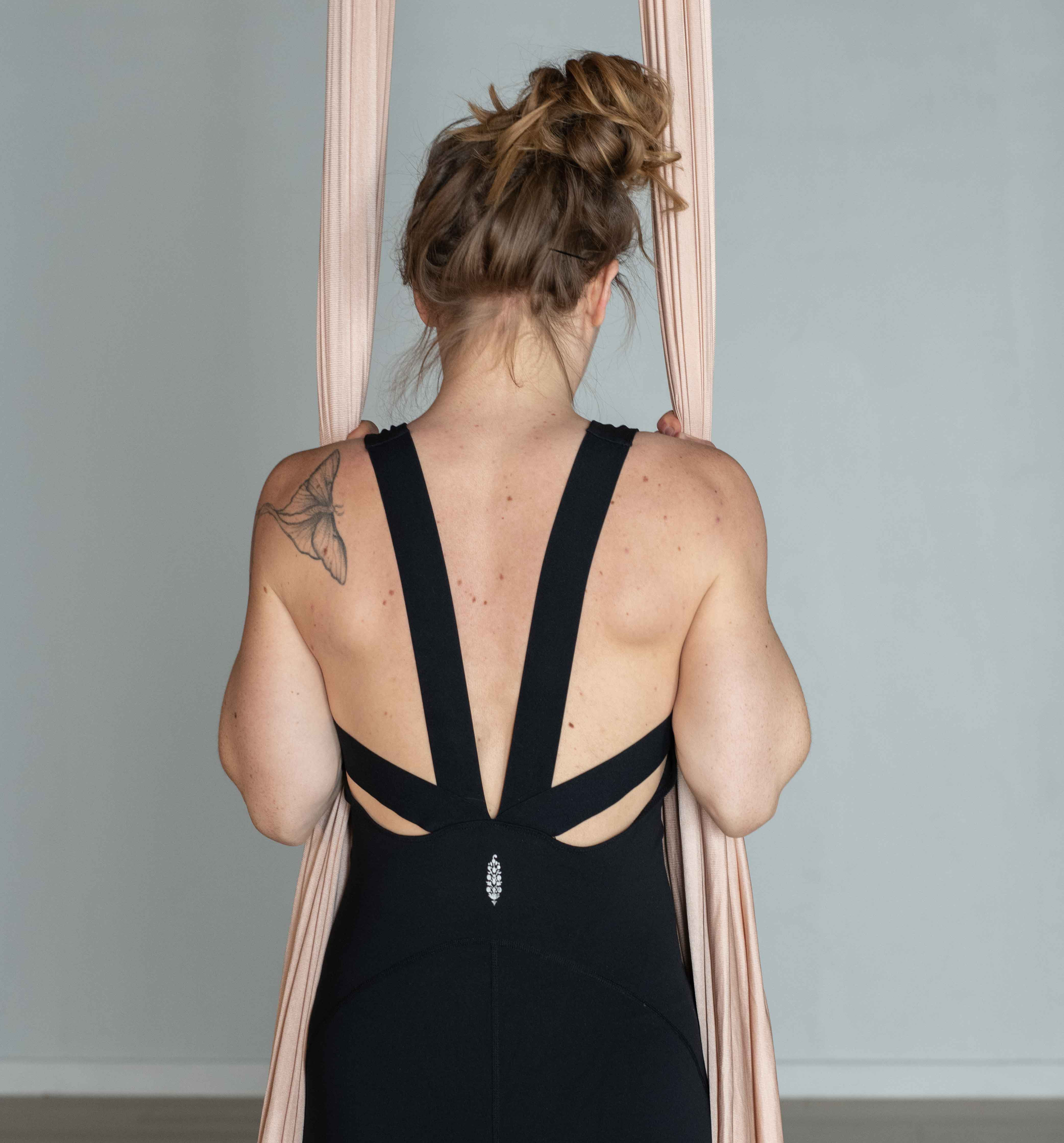
Risk & responsibility, trust-building, the neuroscience of motor learning, fear psychology, movement maps, teaching across body types, trauma-informed basics, teacher bias, scope & ethics.
Anatomy of Aerial Arts
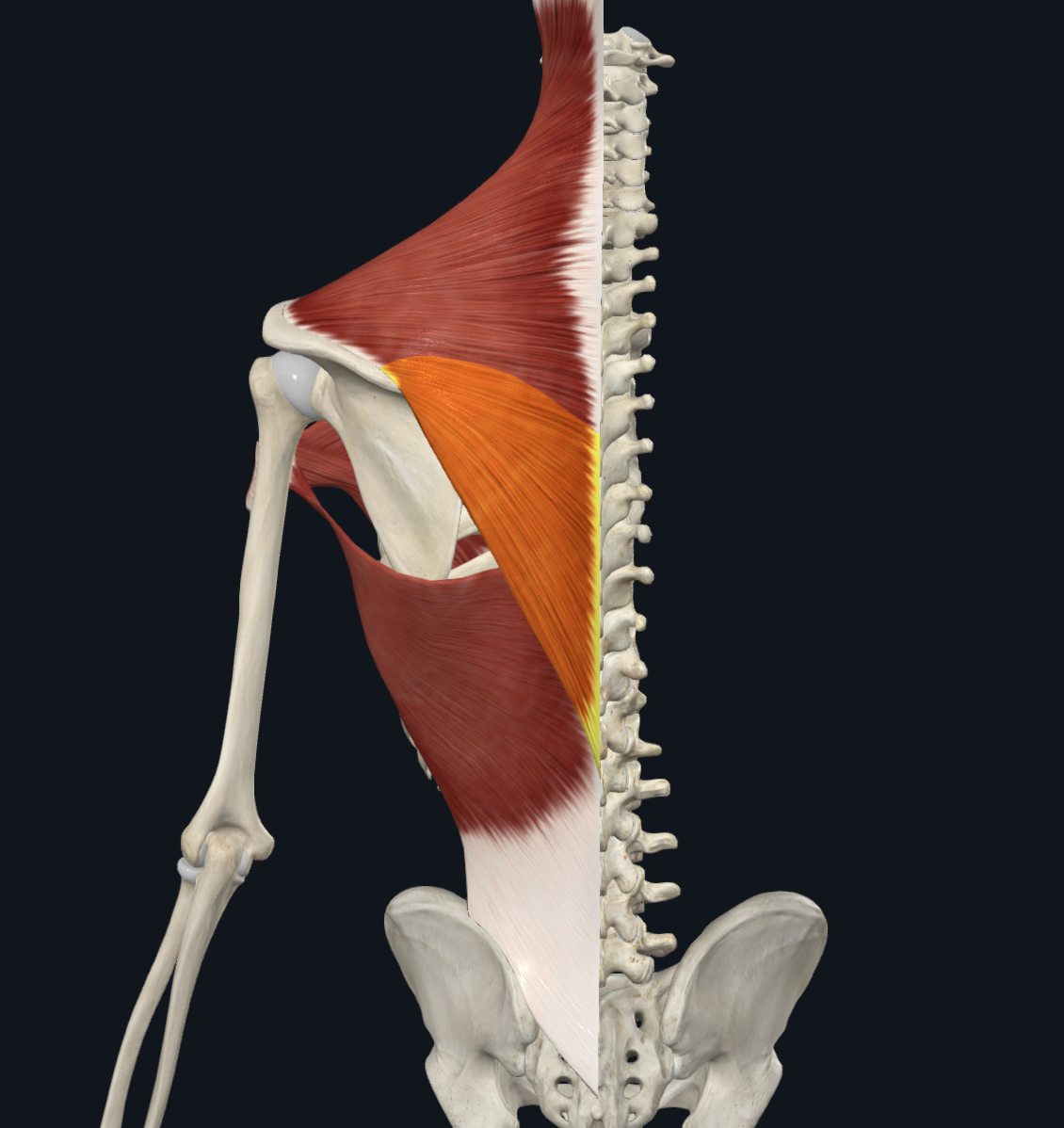
Applied anatomy through Emily Scherb's Applied Anatomy of Aerial Arts, a coloring book, 3D visualization software, then integrated through embodiment labs so it lives in your body, not a binder.
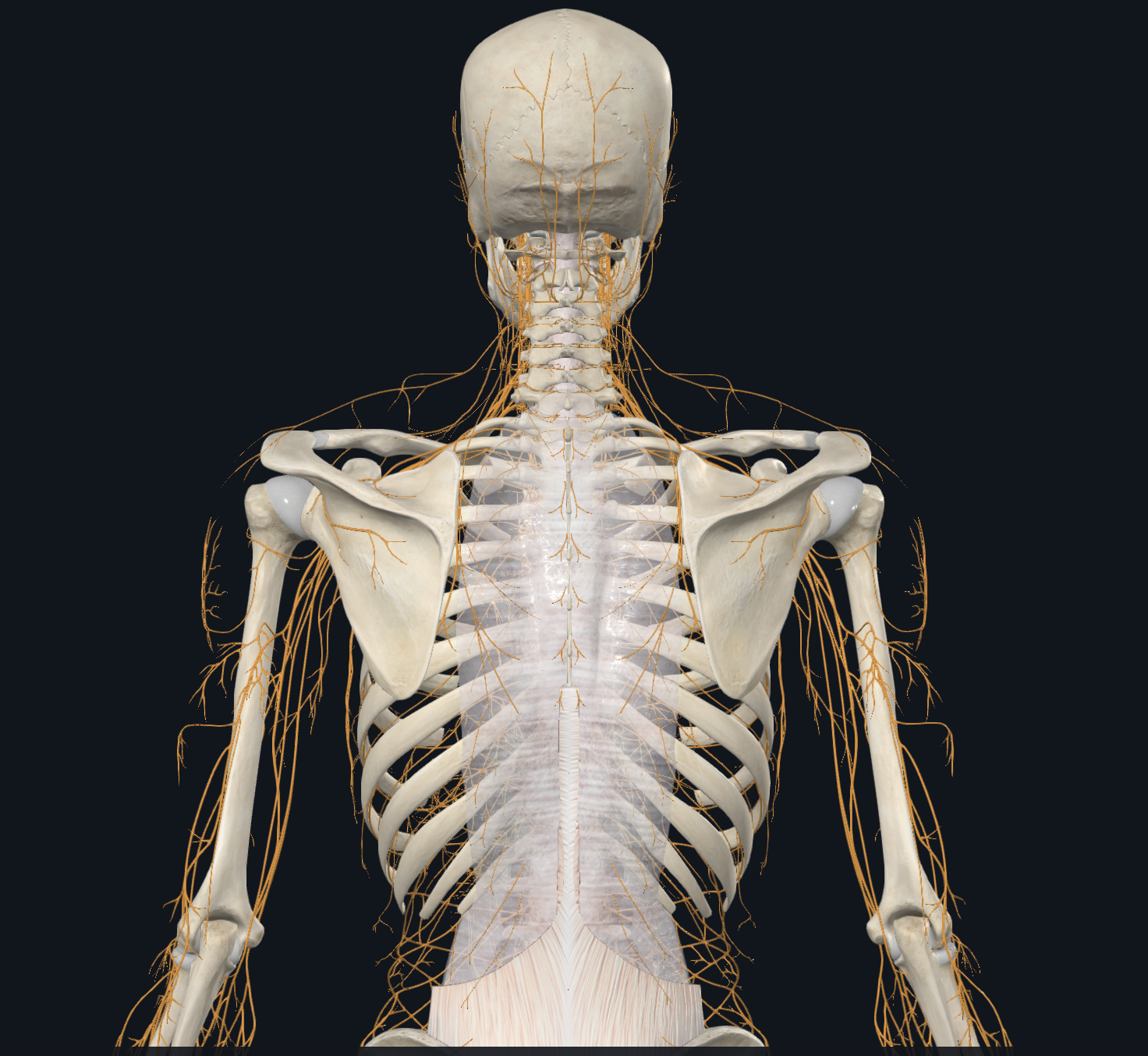
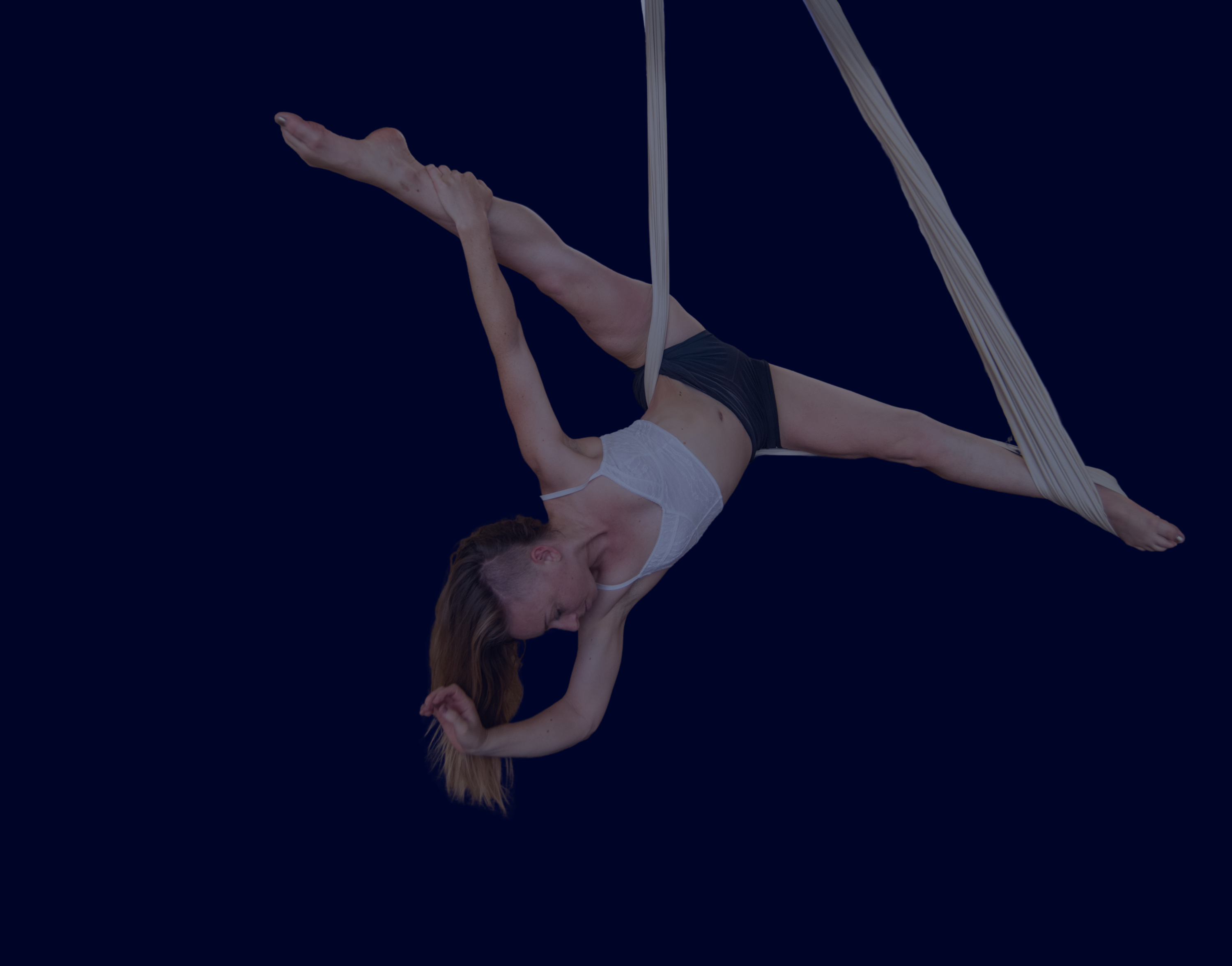
Physiology of Aerial Arts
The nervous system at play, spins & the vestibular system, pain perception, proprioception, breathing patterns, digestive distress, pregnancy & postpartum, POTS + hypermobility.
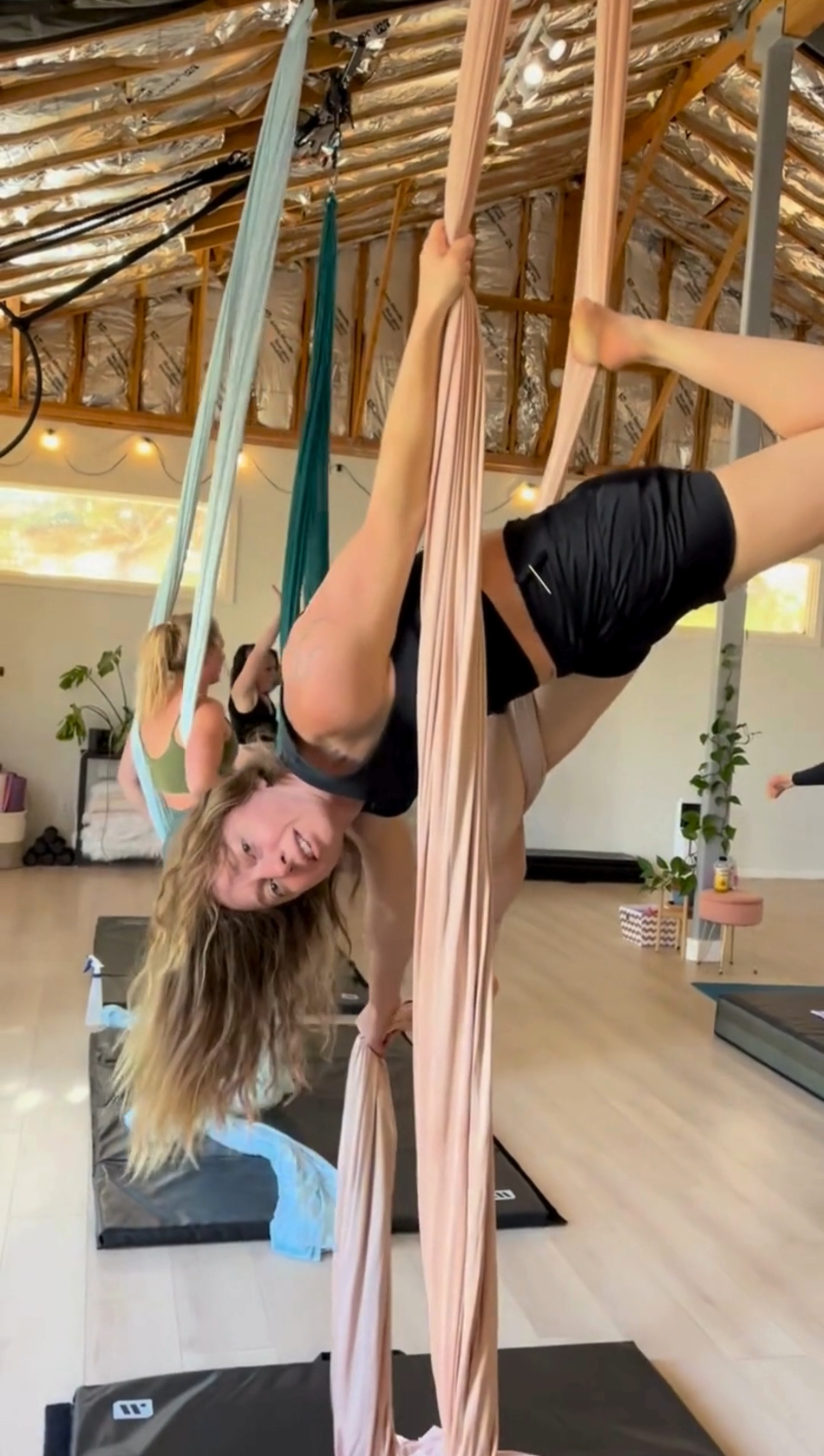
Advanced Foundational Theory & Technique
Deep technical study of foundational silks, hammock & hoop: skill mechanics, body organization, movement analysis, common compensations, progressions, cueing, spotting, and troubleshooting. Learn to see why a skill is or isn’t working, plus what to change next.
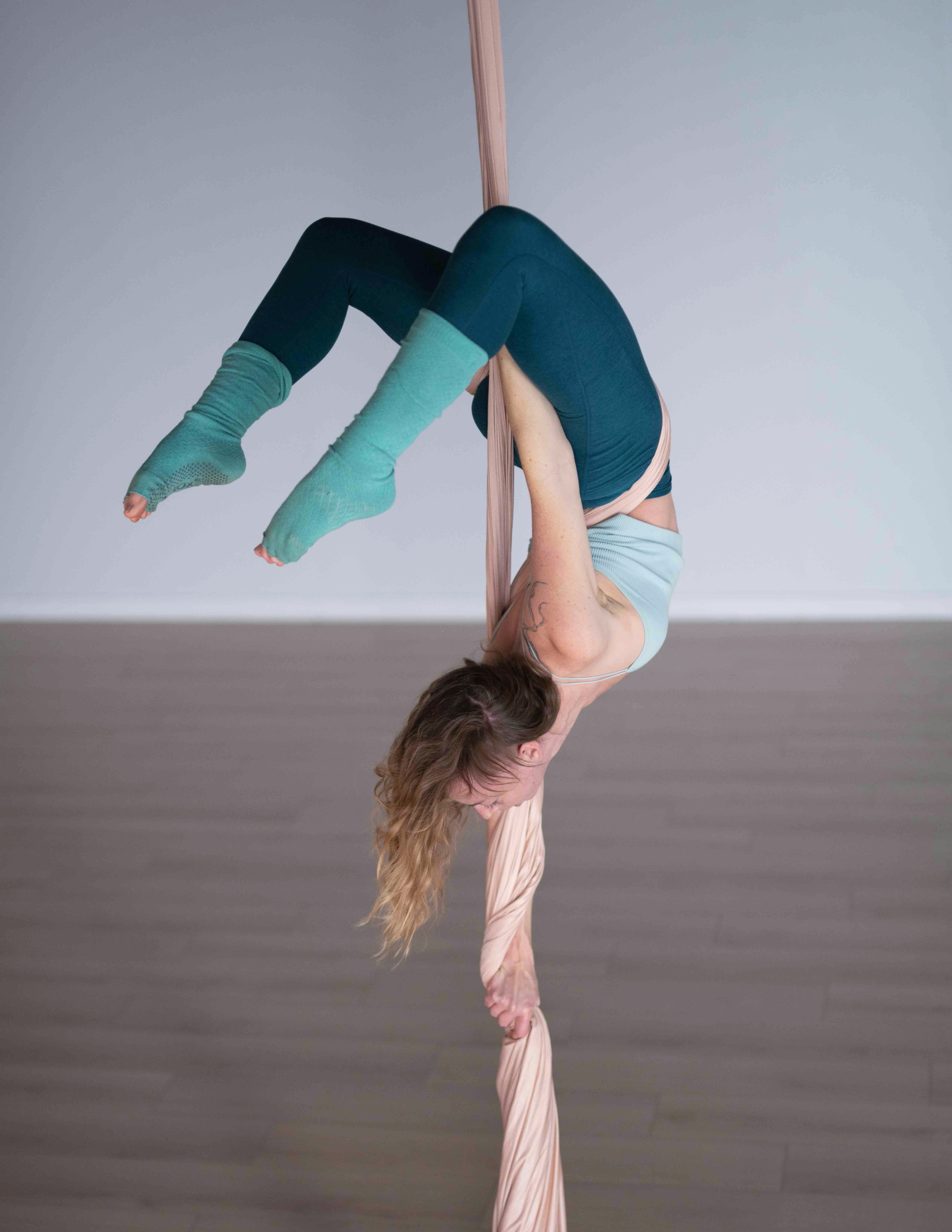
The Classroom Ecosystem
Group management, regulating the room, triage, behavior management, emergency response, ladder rescue, scanning for risk & fatigue, mixed levels, resets & redirects, boundaries, nervous system leadership, community & culture.
Designing Classes & Curriculum
The student journey/curricula designs, class design & flow, somatic learning, contextual interference, identifying plateaus, redefining progress - movement quality, physiological adaptation, mindset, warmups & warmdowns, somatic and collaborative learning, long-term curriculum.
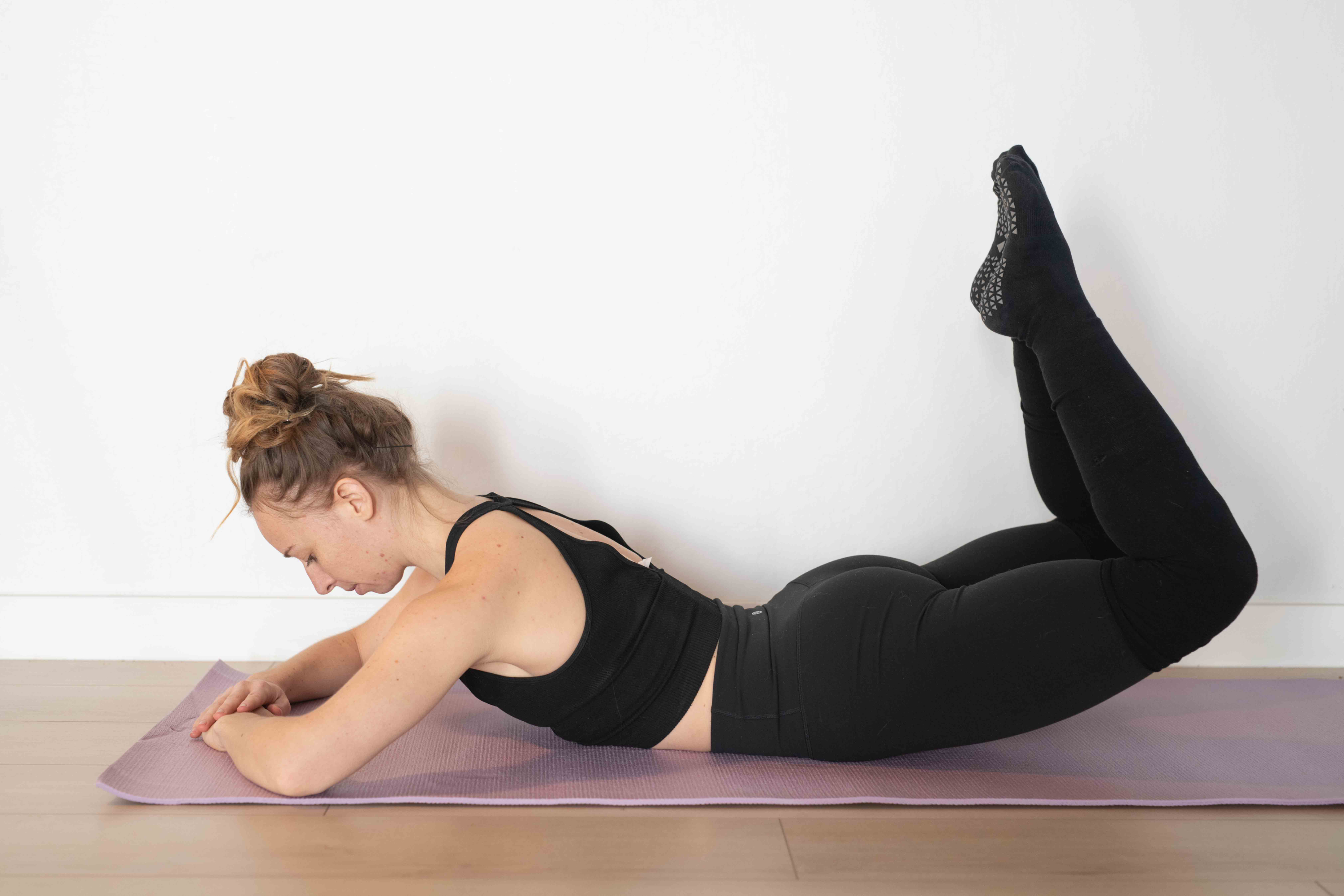
Embodiment Labs: where knowledge becomes integrated
Anatomy that's only memorized gets forgotten. In BLOOM's embodiment labs you integrate each concept through your own body first, so when you scan a room, you're not recalling a slide. You're recognizing something you've felt, and helping them feel it too.
"The core embodiment lab was my favorite, immediate positive change.", MW
We challenge “common sense” ideas by asking more questions.
"More tricks = more progress."
In BLOOMProgress isn't measured by how many skills a student can check off. It's measured by the quality of their movement, neuromuscular coordination, technical understanding, physical adaptation, apparatus management, and confidence. Bloom teaches you to build true capability, not just collect tricks.
"If the cue doesn't work, try saying it lots of different ways."
In BLOOMThis is great advice, but before launching into more phrasing, we walk through a checklist of why the cue may not have worked. Then we troubleshoot from there, so nobody's time or energy is wasted.
"A scared student just needs a little encouragement."
In BLOOMFear is a complex nervous system response, and navigating it ethically requires us to understand what's happening. With Bloom, we make decisions based on very specific signals from the student, rather than assuming one strategy works for everyone. You'll learn how dysregulation blocks learning and raises injury risk, and how to ethically support students through it.
In BLOOM, we don't equate more tricks with more progress.
We look at physical adaptation, body awareness and organization, technique integration, motor planning, and the student's relationship with challenge, discomfort, and fear.
We give students the foundational education they deserve, and bring special care to our beginners.
Safety, taken further.
The purpose of BLOOM is to develop instructors who are prepared to support every student who walks through their door.
Psychological & emotional safety
Nervous system literacy, consent, and ethical fear navigation, built into every module, not a single safety talk.
Real risk management
Rescue and emergency response protocols, room positioning, and scanning for risk and fatigue in real time.
CPR, required
BLOOM requires current CPR certification before completing the course, and graduates must stay up-to-date to continue to be BLOOM-certified.
What BLOOM builds in you
Integrative Pedagogy
Motor learning, nervous system fluency, fear & pain psychology, applied, not abstract.
Technical Mastery
Develop a sharper technical eye: skill mechanics, movement analysis, compensation patterns, progressions, spotting, and precise cueing that targets what is actually happening in the body.
Student Empowerment
Consent, autonomy, and teaching diverse bodies so every student feels genuinely supported.
Embodied Leadership
Read the room, regulate the energy, and lead a class culture that’s unmistakably yours.
What’s included
- ✦Technical aerial instruction: foundational silks, hammock & hoop mechanics, movement analysis, progressions, cueing, spotting, anatomy, and risk management
- ✦Integrative pedagogy: motor learning, physiology, nervous system science, cueing strategy, fear & pain psychology, ethics, and group management, all made practical for the aerial classroom
- ✦1:1 calls with Sara: true mentorship, not just a portal login
- ✦Embodiment labs to integrate anatomy & physiology in your own body
- ✦Community of instructors: surround yourself with teachers devoted to higher standards and continual growth
- ✦Self-paced to accommodate your schedule
- ✦Guest masterclasses with experts
- ✦Final assessment: open-note exam, written & annotated video teaching
- ✦Lifetime access to all materials and every future update
- ✦Aerial Silks Online: 6 months with Part 1; 1 year with the complete pathway
Real changes in how you interpret the classroom, make decisions, and support students.
You see what most teachers miss
You learn to watch a student and understand what’s really happening in their body: not just whether a skill looks right, but why it isn’t working and exactly what to address.
In the room: you recognize problematic body mechanics and technique. You find the real problem and fix that instead of guessing or overlooking.
You become a technique expert
You stop narrating movement and start breaking down real skill mechanics. You understand the why behind every fundamental, so you can explain it, adapt it, and troubleshoot it for any body in front of you.
In the room: you’re not asking students to copy what you show them. You’re teaching them to understand what they’re doing and develop embodied aerial intelligence.
You know when to step in and when to wait
Learning happens in stages, and each stage needs something different from you. You learn to recognize where a student is and respond to that, rather than teaching on autopilot and interrupting students’ process.
In the room: you hold back on purpose. You give students space to feel it before you jump in. That silence becomes one of your best tools.
You cue precisely and navigate fear and pain with real skill
You cue with precision and navigate fear and pain with undeniable skill built on real frameworks. Fear and pain are not mindset problems you can talk someone out of: you learn what’s actually happening and how to respond with knowledge instead of hope.
In the room: encouragement gets replaced by real skill. You know what to do, what not to do, and when something is outside your scope to handle.
You learn to teach the body and brain in front of you
There is no single standard aerial student. BLOOM prepares you to support a wider range of bodies, ages, movement histories, and ways of processing information, with specific attention to aging bodies, hypermobility, pregnancy and postpartum, POTS, and other factors that can change how someone experiences and learns aerial.
In the room: you stop assuming that one body, one cue, one pace, or one way of paying attention should work for everyone. You observe more carefully, adapt more intelligently, and help more students feel genuinely seen and supported.
You carry yourself like the expert you are
Confidence in teaching doesn’t come from knowing every skill. It comes from understanding how learning works and trusting yourself to handle whatever walks through the door. BLOOM builds that from the inside out.
In the room: you hold the space with authority and care. Students feel it before you say a word.
Every one of these shifts comes from a real framework: something you can use the week you learn it and build on for years. Not confidence you’re hoping arrives eventually. A foundation.
Teaching might feel like it’s going pretty well and still be missing the layers that actually determine student progress, safety, and retention.
Your students won’t tell you what’s missing. They just plateau, get quiet, or stop coming back. The gap isn’t visible from inside it.
What you see
The student is getting every trick
What BLOOM shows you: there are technical foundations missing and the student is on the verge of injury because of their compensation patterns: let’s walk things back.
What you see
My cue isn’t landing
What BLOOM shows you: there’s a checklist to run before you reach for different words to make sure you understand why it didn’t work.
What you see
The student says “things got busy”
What BLOOM shows you: students who feel seen, supported, and appropriately challenged don’t quietly disappear.
You don’t need someone to hand you their skill list. You need a framework sophisticated enough to meet the intelligence you already bring, and honest enough to show you what’s underneath the teaching you thought you’d already figured out.
Training designed to support diverse bodies and brains.
There is no single standard aerial student. BLOOM prepares you to teach people with different bodies, ages, movement histories, levels of body awareness, and ways of processing information.
BLOOM explores how these factors can change the aerial experience and the way a student learns. The goal is not to diagnose or categorize students. It is to become a more observant, adaptable teacher who can respond to the person in front of you.
There are a lot of aerial instructors.
There are very few who will ever truly take the next step to teaching as a craft.
To being able to support anyone who walks through their door with real confidence.
To be embodied in your role, trusting yourself, and knowing you’re giving your students an exceptionally high quality experience.
If you’re here, you probably already…
BLOOM is designed to give you the knowledge, frameworks, and depth of understanding that makes you the teacher people drive farther for, stay longer with, and recommend.
This is a comprehensive training and mentorship. It’s not for everyone.
BLOOM is for you if you…
- ✦Already have experience training aerial and have access to a safe aerial setup: you do NOT have to be an advanced aerialist
- ✦Are teaching now, or ready to begin, and want to do it right
- ✦Are curious about how bodies, nervous systems, and learning actually work
- ✦Want great student reviews, high retention, and full classes
- ✦Value safety, consent, and ethical teaching
- ✦Want to be the standout instructor in your area, not just “good enough”
It’s not for you if you…
- ,Want the fastest or cheapest route to a certificate
- ,Prefer strict formulas and scripts over learning how to think and respond to the diverse bodies and minds in the room
- ,Aren’t ready to actively participate: labs, dialogue, assignments, 1:1s
- ,Are brand new to aerial (build your own practice first, we’ll be here: but if you’re already teaching, let’s talk)
- ,Are looking for a rigging course: we cover the basics, but this is not a rigging certification.
The Fall Session adds four live group calls to your BLOOM experience. Bring your questions, the teaching scenarios you’re working through, and connect with other teachers as you move through the training.
Can’t make them all? Replays available for every session.
October 4
Sunday · 11AM Pacific
October 18
Sunday · 11AM Pacific
November 1
Sunday · 11AM Pacific
November 15
Sunday · 11AM Pacific
Not a checklist. Not a crash-course. The expertise that changes the results you get for your students and studio.
BLOOM is a complete professional pathway. Commit to the full training for the best value, or begin with Part 1 and continue when you’re ready.
Best value
Complete BLOOM Pathway
Complete curriculum as described above. Four months, 2 monthly 1:1 calls with Sara, 1 year of Aerial Silks Online included.
$3,500$2,950
Save $550 when you pay in full
Using Afterpay? Click Pay in Full. At checkout, choose See more payment options, then select Afterpay. You may need to click the arrow on the right to see it. If it does not appear, ask Sara.
Available to U.S. residents only.
4 payments of $875
For students outside the U.S. or without access to Afterpay.
Break it into 2 parts
Start with Part 1
The first 3 modules of BLOOM: safety & risk management, nervous system, motor learning & cueing strategy, fear psychology, applied anatomy, physiology.
Continue to Part 2 whenever you’re ready.
✦ 4 scheduled 1:1 mentorship calls with Sara
✦ 6 months of Aerial Silks Online included
$1,750
Using Afterpay? Click Pay in Full. At checkout, choose See more payment options, then select Afterpay. You may need to click the arrow on the right to see it. If it does not appear, ask Sara.
For students outside the U.S. or without access to Afterpay.
Complete with Part 2
The second half: advanced foundational technique, cueing theory, spotting, class & curriculum design, classroom management, and BLOOM certification.
$1,750
or 2 payments of $925
For the instructor building or running a studio
BLOOM Studio
BLOOM certification plus done-with-you business mentorship. Systems, automations, documents, and templates built with Sara. Two tiers based on the depth and duration of your business intensive.
✦ Official BLOOM Studio Affiliation
✦ Must pass safety standards to enroll
$5,000+
Coming Soon
My goal is for BLOOM to deliver on what I’ve promised and more.
If you go through the program and feel there’s a meaningful gap between what you expected from BLOOM and what you received, we’ll work together directly to understand what’s missing and create a plan to get you the support you need.
Testimonials from the BLOOM Aerial Teacher Training
“I feel leagues more confident with a deeper understanding of anatomy, teaching theory, studio safety, and an exploration of real world teaching scenarios. I’ve largely dispelled the idea that I need to be an expert in everything to be an excellent teacher.”
M Whitaker“It was very helpful to spend so much time considering the shoulders. As a dancer and yogi I have spent a lot of time with the hips but didn't realize how much I didn't know about the shoulders. Having different student perspectives and scenarios described helped round out my ideas of the varied experiences that may be happening in the classroom.”
Carolyn “Phie” Mura“So far, I am obsessed with this class. The way the brain learns and stores memories is fascinating. I've already found myself more patient with students in piano and voice lessons and have encouraged a couple skydiving students to be more patient with themselves in the sky and try things more slowly to feel the aerodynamics of the drill.”
Chelsea Manning“I already knew the importance of having strong foundations, but having the resources to actually know how to teach those skills is incredibly valuable. Also, learning how to diagnose why a student might be struggling to achieve certain skills, even when some things seem to be going well, is really helpful. I also love all the insights on what students need when learning drops. Progressing and knowing that drops entail a lot more than having the strength to put the drop together.”
Cutsi Núñez“Module 4 deeply explored many of the common issues in foundational skills and gave me excellent tools to troubleshoot difficulties. There were more than a few “OH that’s how you fix that” moments for me in this section.”
M Whitaker“Even though I am studying anatomy and applied anatomy in school, the adaptation specifically to aerial arts has been very interesting to me while reinforcing what I am also learning about in school.”
Ashley Brehm“Module 3 was a really wonderful review of body mechanics and how our muscles, bones, fascia, etc. work together to move our bodies.”
Jessica Bloom“Having these concepts named and organized is incredibly helpful and will allow me to think about them in logical ways and add them to my curriculum with intention.”
Hannah Gern“I've learned that teacher presence can definitely affect the entire class vibe. I also found it really helpful to learn how to handle difficult behaviors. I feel more confident knowing I have a plan in place of how to respond in a trauma-informed way.”
Cassie Drumm“I have felt a deeper understanding and incorporation of the creation of a safe container for myself and others. I have developed more patience, more willingness to look at things I didn't want to look at, and more willingness and awareness around what to prepare.”
Carolyn “Phie” Mura“Learning about all the different systems that are at play when doing aerial and how the work that we do can affect them is really interesting. A lot of the time we don't consider all of the body as a whole.”
Cutsi Núñez“This was where a mindset shift happened for me. The accumulation of the online course up to this point has built to a notable shift from, “I really want to be a good teacher but it feels scary,” to “I feel prepared to be a great teacher.””
M Whitaker“When learning aerial, we notice that some positions may hurt, experience bruising, feel uncomfortable inverted, or get dizzy spinning and it is brushed off as something that “just happens” in aerial. This module really helped understand why it happens, how the body responds, and ways to support students if and when they experience these things.”
Ashley BrehmTestimonials from students
Long before BLOOM, Sara built her teaching practice in the classroom. These are reflections from students who have experienced that work firsthand.
“Sara is an excellent instructor. She makes learning the art very safe and super fun. We are so fortunate to have someone of her caliber teaching aerial silks in Bishop.”
Gigi de Jong · Former Trainer of Olympic Gymnasts“By far the best aerial instruction I've ever experienced. Beautiful community and outstanding instruction by Sara and all of the instructors.”
Steph Salem“I've now been going over a year and can't imagine life without this safe and welcoming place. It has become such an important part of my mental health, and I can do a bridge and a pull-up for the first time in my life!”
Hannah Pirner“Sara is such a dedicated teacher who makes an effort to make every class fun and for everyone to feel comfortable trying new moves or skills. If you are a local, this is a great place to feel more connected to the community.”
Kim Bohan“Sara and all the teachers are fantastic: so supportive, communicative, knowledgeable and patient. The space is bright and inviting and my fellow classmates are wonderful people. I feel strong and empowered at Embodied Aerial, and carry that energy into the rest of my day-to-day.”
Kelly Muller“I drive 45 minutes from Mammoth to the studio in Bishop multiple times a week because the aerial community Sara has created is such a positive part of my life. Sara has poured her soul into the studio space and all of her instruction, and her creative spirit makes every class a joy!”
Meghan Miranda“Even on bad days when my mind is low or my body is feeling stiff I am able to leave class feeling so positive and satisfied. If you have hesitations for any reason, give it a try. You will likely be surprised by the diversity of abilities in the space.”
Allison Weber“Embodied Aerial has brought so much joy to my life and to the Eastern Sierra. Sara offers an aerial program that prioritizes safe instruction, cultivates community, and inspires growth through artistry. I feel a sense of renewal. Sara has reawakened my passion for aerial silks.”
Caitlin Wellwood“A wonderful community full of supportive and inspiring women in a beautiful studio led by an incredible teacher. Embodied Aerial has brought me so much joy for years. I highly recommend to anyone!”
Devon Delattre“One of the most amazing studios to attend aerial classes at. Embodied Aerial provides a safe, welcoming, beautiful community environment to learn new moves, practice routines, and explore body work and aerial dance.”
M Bates“Learning aerial silks has been one of the most wonderful things to come into my life in years. It's the whole package: exercise without feeling like a chore, total mind/body engagement, always challenging and fun, and a great community to boot.”
Kendra Atleework“Sara, our aerial arts instructor, is a true artist of transformation. With inspiring leadership skills, her commitment to collective growth is like an invisible thread that connects all practitioners.”
Caroline Vignardi“The studio has been a safe haven for me since moving to Bishop. Everyone is kind and welcoming and I feel like I have built so much strength and confidence since joining this community.”
Jenn Rilley“It's such a gift to have a place like SILK Studio in Bishop! Sara is an excellent and skilled instructor. She explains everything clearly and knows how to progress any beginner or advanced aerialist. I also appreciate the aerial fit classes, which help any beginner get strong and confident enough for aerial.”
Lauren MacLeod“My daughter took a silk class last summer. She loved her teacher Ms. Sara. She was super helpful and felt challenged. We will definitely be back for some classes this summer.”
Kimberly OharaMake sure BLOOM is the right fit.
Book a call with Sara to see if it is the right fit. A $20 fee applies and will be credited toward BLOOM if you enroll.
Book a 1:1 Call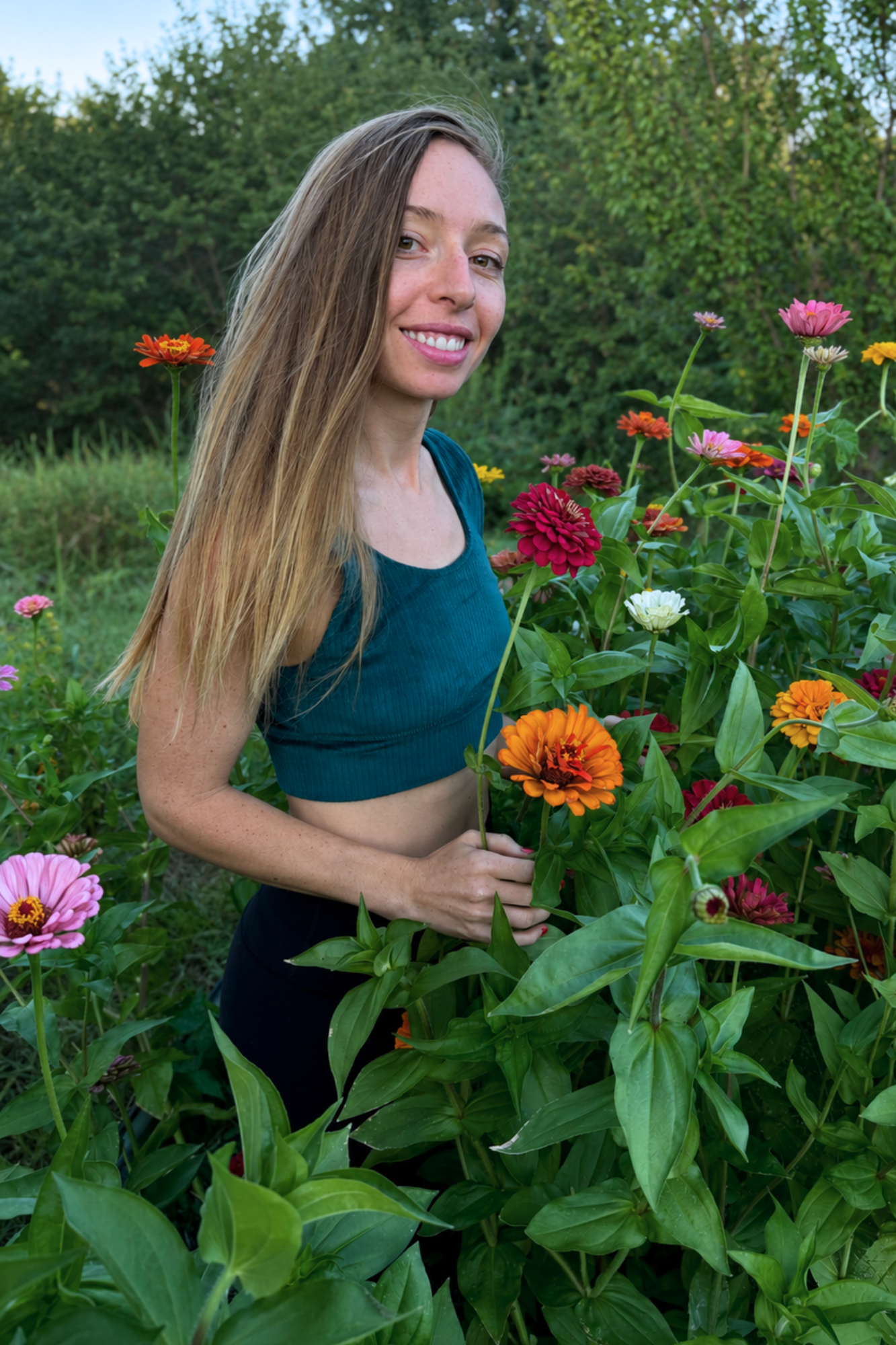
Sara Kaiser
Sara is an aerial instructor and movement educator known for highly detailed technical teaching, perceptive movement analysis, and cues that help students understand not just what to do, but what is actually happening in their bodies. Her work combines that technical depth with motor learning, neuroscience, psychology, and trauma-informed teaching. She founded Embodied Aerial, built Bishop, California's first aerial community & studio, and created Aerial Silks Online.
BLOOM brings those layers together: skill mechanics and technical analysis alongside the unseen factors that shape learning, including cognitive load, nervous system states, memory formation, different ways of processing information, studio culture, boundaries, leadership, and safety psychology, synthesized into clear, usable teaching frameworks.
Whether guiding a beginner through their first hammock knot invert (a love language) or mentoring experienced teachers, her focus is the same: to share the joy and empowerment of aerial arts.
BLOOM is a program you continue to evolve and grow with for your entire teaching career.
You keep access to every update and addition, and to the BLOOM teacher community after you complete your training.